
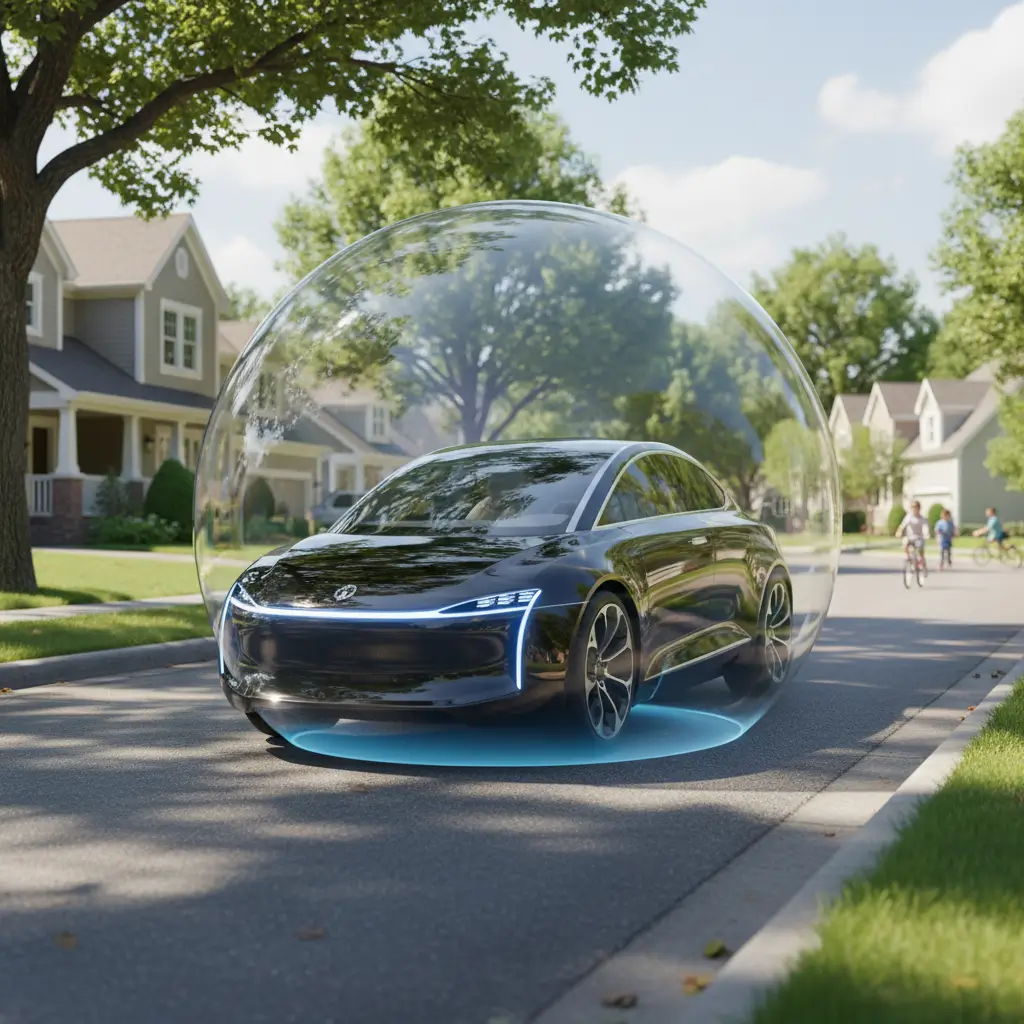

You’ve probably heard the term “full coverage” car insurance countless times—from friends, family, or even an insurance agent. It sounds comprehensive and reassuring, like a safety net that catches everything. But here’s the reality: there’s no such thing as a single “full coverage” auto insurance policy.
That’s not just semantics. The phrase “full coverage” is industry shorthand, not an official insurance product. What most people mean when they say it is a combination of liability insurance, collision coverage, and comprehensive coverage. Understanding what these coverages actually protect—and what they don’t—can save you from unpleasant surprises when you need your policy most.
Whether you’re shopping for auto insurance for the first time or reassessing your current policy, this guide will walk you through what “full coverage” truly entails, why minimum coverage often falls short, and how to make informed decisions that protect both your vehicle and your financial security.
Understanding Full Coverage: More Than Just a Catchphrase
When someone refers to “full coverage,” they typically mean a policy that includes three core components:
Liability Insurance: This is the foundation of any auto policy and is required by law in most states. Liability coverage has two parts:
- Bodily Injury Liability pays for medical expenses, lost wages, and pain and suffering for people you injure in an at-fault accident.
- Property Damage Liability covers repairs to other people’s vehicles, fences, buildings, or any property you damage.
Collision Coverage: This pays to repair or replace your vehicle after it collides with another car or object—like a tree, guardrail, or pothole—regardless of who’s at fault. If your car is totaled, collision coverage reimburses you for its actual cash value, minus your deductible.
Comprehensive Coverage: Often called “other than collision” coverage, this protects your car from non-collision incidents. That includes theft, vandalism, fire, hail, flooding, falling objects, and collisions with animals. Like collision, comprehensive comes with a deductible you’ll pay before coverage kicks in.
Together, these three coverages provide robust protection for both the damage you cause to others and the damage to your own vehicle. But calling this combination “full coverage” can be misleading because it suggests your policy covers everything—which it doesn’t.
Why Minimum Coverage Isn’t Enough
Every state sets minimum liability limits drivers must carry. For example, you might see requirements written as 25/50/15, meaning:
- $25,000 maximum for bodily injury per person
- $50,000 maximum for bodily injury per accident
- $15,000 maximum for property damage per accident
While meeting the legal minimum keeps you on the road legally, it rarely provides adequate financial protection. Medical bills from serious injuries can quickly exceed $25,000, and totaling a newer SUV or luxury sedan can surpass $15,000 in property damage. If your liability coverage falls short, you’re personally responsible for the difference.
That’s where personal assets come into play. If you own a home, have significant savings, or possess other valuable assets, an at-fault accident with insufficient coverage could put those assets at risk through a lawsuit. The other driver can sue you for the remaining balance, and if they win, your bank accounts and property could be on the line.
Carrying higher liability limits—such as 100/300/100 or even $500,000—costs more upfront but offers crucial protection. Consider it an investment in your financial security, not just a legal checkbox.
Breaking Down the Components: Collision vs. Comprehensive
Understanding the difference between collision and comprehensive coverage helps you evaluate what protection you need.
Collision Coverage
Collision kicks in when your vehicle hits (or is hit by) another car or object. This includes:
- Accidents with other vehicles, whether you’re at fault or not
- Single-car accidents where you hit a guardrail, pole, or building
- Damage from potholes
- Your car flipping over
If the other driver caused the accident and has insurance, their property damage liability should cover your repairs. But if they’re uninsured, underinsured, or you can’t identify them (as in a hit-and-run), your collision coverage steps in. You’ll pay your deductible—commonly $250 to $1,000—and your insurer handles the rest.
Comprehensive Coverage
Comprehensive protects against nearly everything that isn’t a collision:
- Theft of your vehicle or parts (like catalytic converters)
- Vandalism and malicious damage
- Natural disasters (hail, floods, hurricanes, earthquakes)
- Fire or explosions
- Falling objects (tree branches, debris)
- Glass damage, including cracked windshields
- Collisions with animals (deer, birds)
Comprehensive typically costs less than collision because these perils are statistically less frequent. Deductibles usually range from $100 to $500, though you can choose higher amounts to lower your premium.
Neither collision nor comprehensive is required by law. However, if you’re financing or leasing your vehicle, your lender will almost certainly require both until you’ve paid off the loan. Even after the loan is satisfied, whether to keep these coverages depends on your car’s value and your financial situation.
Cost-Benefit Analysis: Is It Worth the Premium?
Deciding whether to carry collision and comprehensive coverage involves weighing your vehicle’s actual cash value (ACV) against the cost of coverage and your deductible.
When Coverage Makes Sense
If your car is newer, holds significant value, or would be expensive to replace, collision and comprehensive are wise investments. Totaling a $30,000 vehicle without coverage leaves you starting from scratch. Even with a $500 deductible and $1,200 annual premium for both coverages, you’re protecting a substantial asset.
When You Might Skip It
For older vehicles with low market values, the math shifts. If your 15-year-old sedan is worth $2,500 and your annual premium for collision and comprehensive is $800 with a $500 deductible, you’re paying one-third of the car’s value each year for coverage that, at best, nets you $2,000 after the deductible. After two years of premiums, you’ve spent more than the car is worth.
A general rule of thumb: if your vehicle’s ACV minus your deductible is less than two years’ worth of premiums, consider dropping collision and comprehensive and putting that money into a savings fund for your next car.
Lender Requirements
Remember, if you’re still making payments, your lender’s contract likely mandates collision and comprehensive. Dropping them could violate your loan agreement and result in the lender purchasing expensive force-placed insurance on your behalf—which you’ll pay for.
Factors Affecting Your Rate
Auto insurance premiums aren’t one-size-fits-all. Insurers assess risk using dozens of factors, which is why your rate differs from your neighbor’s. Here are the major influences:
Driving Record
Your history behind the wheel is one of the strongest predictors of future claims. Accidents, speeding tickets, DUIs, and other violations signal higher risk and lead to higher premiums. Conversely, a clean record over several years can qualify you for good driver discounts.
Location
Where you live and where you park your car significantly impact rates. Urban areas with heavy traffic, higher theft rates, and more accidents typically see higher premiums than rural or suburban regions. Even your ZIP code matters—some neighborhoods have worse claims experience than others.
Vehicle Type
The make, model, and year of your car affect repair costs, theft likelihood, and safety ratings. Sports cars and luxury vehicles cost more to insure than practical sedans. Cars with advanced safety features, strong crash-test ratings, and anti-theft systems may qualify for discounts.
Annual Mileage and Usage
The more miles you drive, the more exposure to accidents. Daily long commutes raise premiums compared to occasional weekend driving. Using your vehicle for business purposes (like rideshare or delivery) also increases rates and may require commercial coverage.
Driver Demographics
Age, gender, marital status, and driving experience all play roles where state law allows. Younger, less-experienced drivers—especially males under 25—pay more due to statistically higher accident rates. Married drivers tend to pay less than single drivers.
Credit History
In most states, insurers can use credit-based insurance scores to help set rates. These scores, derived from credit reports, correlate with claims likelihood. Higher scores generally mean lower premiums. If your state permits this factor, maintaining good credit can save money.
Usage-Based Insurance (UBI)
Telematics programs use devices or smartphone apps to monitor your driving habits—mileage, time of day, hard braking, rapid acceleration, and speed. Safe drivers who participate often receive discounts, sometimes just for enrolling. If you drive infrequently or safely, UBI could reduce your premium significantly.
Common Myths Debunked: What Full Coverage Doesn’t Include
Even with liability, collision, and comprehensive, your policy has limits and exclusions. Here’s what “full coverage” doesn’t automatically cover:
Gap Insurance
If your car is totaled and you owe more on your loan than the vehicle’s actual cash value, standard coverage pays only the ACV. Gap insurance bridges that difference, protecting you from owing money on a car you can no longer drive. It’s a separate product typically purchased through lenders, dealerships, or insurers.
Rental Reimbursement
When your car is in the shop after a covered claim, rental reimbursement coverage pays for a rental vehicle. Policies cap the daily rate and total number of days. Without this optional add-on, you’re paying out of pocket for transportation while waiting for repairs.
Roadside Assistance and Towing
If your car breaks down, runs out of gas, or needs a tow to the repair shop, roadside assistance or towing coverage reimburses those costs. Standard policies don’t include this; you must add it separately or rely on auto club memberships.
Medical Payments and Personal Injury Protection (PIP)
In “no-fault” states, PIP is often required. It covers medical expenses, lost wages, and sometimes funeral costs for you and your passengers, regardless of fault. In “tort” states, medical payments coverage is optional and covers treatment for injuries from accidents. Neither is automatically part of “full coverage”—you must select these coverages.
Uninsured/Underinsured Motorist Coverage
Though required in some states, uninsured motorist (UM) and underinsured motorist (UIM) coverages protect you when hit by drivers with no insurance or insufficient limits. These coverages aren’t always included by default and may need to be added to your policy.
Wear and Tear, Mechanical Breakdowns
Auto insurance covers sudden, accidental damage—not routine maintenance or mechanical failures. If your engine seizes due to age or lack of oil changes, your policy won’t pay for repairs. Extended warranties or mechanical breakdown insurance (a separate product) cover these issues.
Specialty Vehicles
Standard auto policies exclude motorcycles, ATVs, RVs, and commercial vehicles. Each requires its own specialized insurance.
Tips for Saving on Your Premium
Even robust coverage doesn’t have to break the bank. Here are proven strategies to lower your costs:
Increase Your Deductibles
Raising your collision and comprehensive deductibles from $250 to $500 or $1,000 reduces your premium. Just ensure you can afford the higher out-of-pocket expense if you file a claim.
Bundle Policies
Many insurers offer multi-policy discounts if you bundle auto with homeowners or renters insurance. Savings typically range from 10% to 25%.
Ask About Discounts
Insurers provide numerous discounts you might qualify for:
- Good student discounts for young drivers maintaining a B average or higher
- Defensive driving course credits
- Low mileage discounts if you drive fewer than average annual miles
- Safety feature discounts for anti-lock brakes, airbags, and anti-theft devices
- Affinity or group discounts through employers, alumni associations, or professional organizations
- Multi-vehicle discounts for insuring more than one car
- Good driver or renewal discounts for maintaining a claims-free record
Maintain Good Credit
Where permitted, improving your credit score can lower your insurance credit score and reduce premiums. Pay bills on time, reduce debt, and monitor your credit report for errors.
Consider Usage-Based Insurance
If you’re a safe, low-mileage driver, enrolling in a telematics program could yield significant discounts. Some insurers offer an immediate discount just for participating, with additional savings based on your driving data.
Shop Around Regularly
Insurance rates vary widely between companies. Get quotes from at least three insurers every year or two to ensure you’re getting competitive pricing. But don’t sacrifice coverage for a lower price—compare identical coverage limits and deductibles.
Review Your Coverage Annually
As your car ages and depreciates, periodically reassess whether collision and comprehensive still make financial sense. Dropping them on an older, low-value vehicle frees up premium dollars for higher liability limits or other priorities.
Protecting What Matters Most
“Full coverage” car insurance isn’t a magic phrase that shields you from every possible loss. It’s a combination of coverages—liability, collision, and comprehensive—that together provide solid protection for your vehicle and your finances. But it still has gaps, exclusions, and limits.
The key is understanding exactly what your policy covers, evaluating your personal risk and assets, and making informed choices about coverage levels, deductibles, and optional add-ons. Don’t settle for the bare minimum just because it’s the law or the cheapest option. Medical bills, lawsuits, and vehicle replacement costs can devastate your finances if you’re underinsured.
Take the time to compare quotes, ask questions, and tailor a policy that fits your needs and budget. When you truly understand your coverage, you can drive with confidence knowing you’re prepared for whatever the road throws your way.